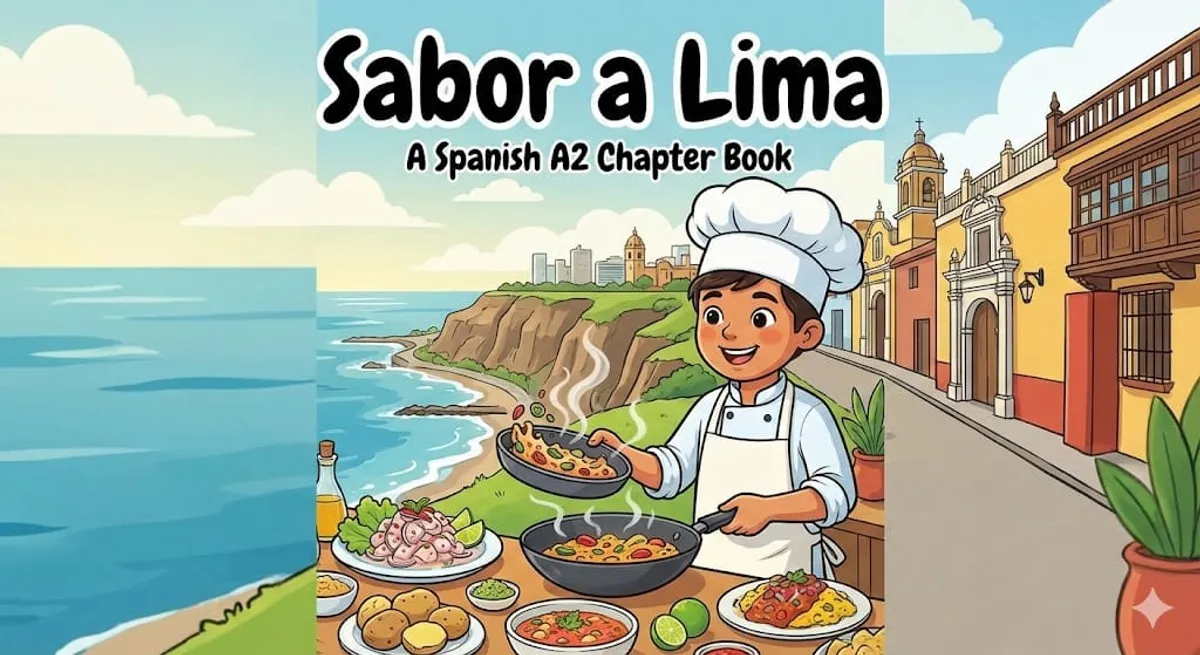
Sabor a Lima
Follow Mateo's culinary journey through Peru, mastering essential food vocabulary and cultural insights in every chapter.
Title
Sabor a LimaLanguage
esSubtitle
A Spanish A2 Chapter BookChapters
- Title: Chapitre 1: La Llegada a MirafloresContent:
Mateo bajó del taxi en el distrito de Miraflores. El cielo de Lima estaba gris, cubierto por la famosa "panza de burro", pero el aire olía a mar. Mateo había viajado desde los Estados Unidos para estudiar en una escuela de cocina. Caminó hacia el Malecón y miró el Océano Pacífico.
"Estoy listo para aprender," pensó Mateo. Entró en la escuela culinaria y conoció al Chef Carlos. Carlos era un hombre bajo con un gran sombrero blanco. "Bienvenido a Lima," dijo Carlos con una sonrisa. "Aquí, la comida es nuestra religión." Mateo sintió emoción por su nueva aventura gastronómica.
Translation:Mateo stepped out of the taxi in the Miraflores district. The Lima sky was gray, covered by the famous "donkey's belly" (cloud cover), but the air smelled of the sea. Mateo had traveled from the United States to study at a culinary school. He walked toward the boardwalk (Malecón) and looked at the Pacific Ocean. "I am ready to learn," thought Mateo. He entered the culinary school and met Chef Carlos. Carlos was a short man with a big white hat. "Welcome to Lima," said Carlos with a smile. "Here, food is our religion." Mateo felt excitement for his new gastronomic adventure.
Quiz:- Question: 1. ¿De dónde viajó Mateo?Options:
- Text: a) EspañaValue: wrong
- Text: b) Estados UnidosValue: correct
- Text: c) MéxicoValue: wrong
- Question: 2. Verdadero o Falso: El cielo estaba azul y soleado.Options:
- Text: VerdaderoValue: wrong
- Text: FalsoValue: correct
- Question: 3. ¿Cómo se llama el profesor de cocina?Options:
- Text: a) Chef PedroValue: wrong
- Text: b) Chef CarlosValue: correct
- Text: c) Chef JuanValue: wrong
- Title: Chapitre 2: El Mercado de SurquilloContent:
El segundo día, la clase visitó el Mercado de Surquillo. Era un lugar ruidoso y lleno de colores. Había montañas de frutas exóticas como la chirimoya y la lúcuma. El Chef Carlos guió a Mateo hacia la sección de pescados.
"Para la cocina peruana, necesitamos ingredientes frescos," explicó Carlos. Mateo compró limones verdes y pequeños. También compró ají amarillo, un ingrediente esencial. Las vendedoras gritaban los precios y ofrecían pruebas gratis. Mateo probó una fruta dulce y sonrió. Nunca había visto tanta variedad de comida en un solo lugar. Era un paraíso para un cocinero joven.
Translation:On the second day, the class visited the Surquillo Market. It was a noisy place full of colors. There were mountains of exotic fruits like chirimoya and lucuma. Chef Carlos guided Mateo toward the fish section. "For Peruvian cuisine, we need fresh ingredients," explained Carlos. Mateo bought small, green limes. He also bought yellow chili pepper (ají amarillo), an essential ingredient. The vendors shouted the prices and offered free samples. Mateo tasted a sweet fruit and smiled. He had never seen such a variety of food in one single place. It was a paradise for a young cook.
Quiz:- Question: 1. ¿Qué compró Mateo en el mercado?Options:
- Text: a) Carne y papasValue: wrong
- Text: b) Limones y ají amarilloValue: correct
- Text: c) Pan y lecheValue: wrong
- Question: 2. Verdadero o Falso: El mercado era muy silencioso.Options:
- Text: VerdaderoValue: wrong
- Text: FalsoValue: correct
- Question: 3. ¿Qué tipo de pruebas ofrecían las vendedoras?Options:
- Text: a) Pruebas gratisValue: correct
- Text: b) Pruebas costosasValue: wrong
- Text: c) Solo aguaValue: wrong
- Title: Chapitre 3: El Secreto del CevicheContent:
"Hoy hacemos Ceviche," anunció el Chef Carlos. Todos los estudiantes lavaron sus manos. El secreto del ceviche no es el calor, es el ácido. Mateo cortó el pescado fresco en cubos perfectos. Después, exprimió los limones con fuerza.
"No exprimas demasiado," advirtió Carlos. "La parte blanca del limón es amarga." Mateo mezcló el pescado con el jugo de limón, sal, cebolla roja y ají. El líquido se transformó en "Leche de Tigre". Al probar su plato, Mateo sintió una explosión de sabor. Era picante, ácido y fresco al mismo tiempo. Era el sabor de Perú.
Translation:"Today we make Ceviche," announced Chef Carlos. All the students washed their hands. The secret of ceviche is not heat, it is acid. Mateo cut the fresh fish into perfect cubes. Then, he squeezed the limes with strength. "Don't squeeze too much," warned Carlos. "The white part of the lime is bitter." Mateo mixed the fish with the lime juice, salt, red onion, and chili. The liquid transformed into "Tiger's Milk" (Leche de Tigre). Upon tasting his dish, Mateo felt an explosion of flavor. It was spicy, acidic, and fresh at the same time. It was the taste of Peru.
Quiz:- Question: 1. ¿Qué cocina el pescado en el ceviche?Options:
- Text: a) El fuegoValue: wrong
- Text: b) El ácido del limónValue: correct
- Text: c) El aceite calienteValue: wrong
- Question: 2. ¿Qué pasa si exprimes demasiado el limón?Options:
- Text: a) Se vuelve dulceValue: wrong
- Text: b) Se vuelve amargoValue: correct
- Text: c) No pasa nadaValue: wrong
- Question: 3. Verdadero o Falso: Mateo usó cebolla blanca para el ceviche.Options:
- Text: VerdaderoValue: wrong
- Text: FalsoValue: correct
- Title: Chapitre 4: Tierra de PapasContent:
En la clase de hoy, el tema era la papa. "Perú tiene miles de tipos de papas," dijo Carlos, mostrando una papa amarilla y arenosa. Iban a preparar "Causa Rellena". Mateo hirvió las papas y las prensó hasta hacer un puré suave.
Mezcló el puré con pasta de ají amarillo, aceite y limón. La masa se volvió de un color dorado brillante. Mateo formó capas: una capa de papa, una capa de pollo con mayonesa y palta, y otra capa de papa. Era como un pastel salado y frío. El plato era hermoso y muy tradicional.
Translation:In today's class, the topic was the potato. "Peru has thousands of types of potatoes," said Carlos, showing a yellow, sandy potato. They were going to prepare "Causa Rellena." Mateo boiled the potatoes and pressed them until making a smooth puree. He mixed the puree with yellow chili paste, oil, and lime. The dough turned a brilliant golden color. Mateo formed layers: a layer of potato, a layer of chicken with mayonnaise and avocado, and another layer of potato. It was like a savory, cold cake. The dish was beautiful and very traditional.
Quiz:- Question: 1. ¿De qué color era la masa de la Causa?Options:
- Text: a) RojoValue: wrong
- Text: b) DoradoValue: correct
- Text: c) VerdeValue: wrong
- Question: 2. ¿Qué ingrediente puso Mateo en el medio de la Causa?Options:
- Text: a) Pollo y paltaValue: correct
- Text: b) Pescado y tomateValue: wrong
- Text: c) Carne y quesoValue: wrong
- Question: 3. Verdadero o Falso: La Causa es un plato caliente.Options:
- Text: VerdaderoValue: wrong
- Text: FalsoValue: correct
- Title: Chapitre 5: La Fusión ChifaContent:
Mateo aprendió sobre la inmigración china en Perú. "La fusión de comida china y peruana se llama Chifa," explicó Carlos. El plato del día era Lomo Saltado. Mateo calentó su wok hasta que empezó a humear.
Tiró tiras de carne de res al wok. ¡Fuego! La cocina se llenó de olor a salsa de soja y vinagre. Mateo añadió cebollas gruesas, tomates y papas fritas amarillas. El movimiento del wok era difícil, pero divertido. Sirvió la carne jugosa con arroz blanco. La mezcla de sabores orientales y andinos era única y deliciosa.
Translation:Mateo learned about Chinese immigration in Peru. "The fusion of Chinese and Peruvian food is called Chifa," explained Carlos. The dish of the day was Lomo Saltado. Mateo heated his wok until it started to smoke. He threw strips of beef into the wok. Fire! The kitchen filled with the smell of soy sauce and vinegar. Mateo added thick onions, tomatoes, and yellow french fries. The movement of the wok was difficult, but fun. He served the juicy meat with white rice. The mix of oriental and Andean flavors was unique and delicious.
Quiz:- Question: 1. ¿Qué es el "Chifa"?Options:
- Text: a) Una danza tradicionalValue: wrong
- Text: b) Fusión de comida china y peruanaValue: correct
- Text: c) Un tipo de bebidaValue: wrong
- Question: 2. ¿Qué herramienta usó Mateo para cocinar?Options:
- Text: a) Una olla grandeValue: wrong
- Text: b) Un hornoValue: wrong
- Text: c) Un wokValue: correct
- Question: 3. Verdadero o Falso: El Lomo Saltado se sirve sin arroz.Options:
- Text: VerdaderoValue: wrong
- Text: FalsoValue: correct
- Title: Chapitre 6: Bebidas de los IncasContent:
Cocinar da mucha sed. Carlos trajo una olla grande con un líquido morado oscuro. "¿Qué es esto?" preguntó Mateo. "Es Chicha Morada," respondió el chef. "Es una bebida antigua hecha de maíz morado."
Mateo observó los ingredientes en la mesa: maíz morado, cáscara de piña, canela y clavo de olor. Hirvieron todo junto en agua. Después, añadieron azúcar y limón. Mateo probó la bebida fría. Era dulce, refrescante y tenía un color increíble. "Es mejor que cualquier refresco comercial," dijo Mateo, sirviéndose un segundo vaso. Aprendió que el maíz no siempre es amarillo.
Translation:Cooking makes one very thirsty. Carlos brought a large pot with a dark purple liquid. "What is this?" asked Mateo. "It is Chicha Morada," replied the chef. "It is an ancient drink made from purple corn." Mateo observed the ingredients on the table: purple corn, pineapple skin, cinnamon, and cloves. They boiled everything together in water. Afterwards, they added sugar and lime. Mateo tasted the cold drink. It was sweet, refreshing, and had an incredible color. "It is better than any commercial soda," said Mateo, pouring himself a second glass. He learned that corn is not always yellow.
Quiz:- Question: 1. ¿Cuál es el ingrediente principal de la Chicha Morada?Options:
- Text: a) UvasValue: wrong
- Text: b) Maíz moradoValue: correct
- Text: c) FresasValue: wrong
- Question: 2. ¿Qué fruta se usa (la cáscara) para dar sabor?Options:
- Text: a) NaranjaValue: wrong
- Text: b) PiñaValue: correct
- Text: c) ManzanaValue: wrong
- Question: 3. Verdadero o Falso: La bebida se sirve caliente.Options:
- Text: VerdaderoValue: wrong
- Text: FalsoValue: correct
- Title: Chapitre 7: Anticuchos en la CalleContent:
Esa noche, Mateo salió de la escuela para explorar la comida callejera. Vio una larga fila de personas en una esquina. Una señora cocinaba brochetas de carne sobre una parrilla con carbón. El olor era ahumado y delicioso.
"Son Anticuchos," le dijo un hombre en la fila. "Es corazón de res." Mateo estaba nervioso. ¿Corazón? Pero decidió ser valiente. Compró una porción con papas y choclo (maíz gigante). La carne estaba marinada en ají panca y vinagre. Al probarlo, olvidó que era corazón. Era la carne más suave que había comido en su vida.
Translation:That night, Mateo left school to explore street food. He saw a long line of people on a corner. A lady was cooking meat skewers over a charcoal grill. The smell was smoky and delicious. "They are Anticuchos," a man in the line told him. "It is beef heart." Mateo was nervous. Heart? But he decided to be brave. He bought a portion with potatoes and choclo (giant corn). The meat was marinated in aji panca and vinegar. Upon tasting it, he forgot it was heart. It was the tenderest meat he had eaten in his life.
Quiz:- Question: 1. ¿Qué parte de la vaca es el anticucho?Options:
- Text: a) El hígadoValue: wrong
- Text: b) El corazónValue: correct
- Text: c) La piernaValue: wrong
- Question: 2. ¿Con qué se sirve el anticucho usualmente?Options:
- Text: a) Arroz y frijolesValue: wrong
- Text: b) Papas y chocloValue: correct
- Text: c) EnsaladaValue: wrong
- Question: 3. Verdadero o Falso: Mateo pensó que la carne era dura.Options:
- Text: VerdaderoValue: wrong
- Text: FalsoValue: correct
- Title: Chapitre 8: El Postre PerfectoContent:
El curso estaba terminando. Solo faltaban los postres. Carlos enseñó a la clase a hacer "Picarones". Hicieron una masa con zapallo (calabaza) y camote. Mateo formó anillos con la masa y los lanzó al aceite caliente.
Era difícil hacer círculos perfectos. Algunos parecían formas extrañas. Cuando la masa estaba frita y crujiente, la bañaron en miel de chancaca (miel de caña de azúcar). El aroma a anís y canela llenó el aire. Mateo comió los picarones calientes. Eran dulces, pegajosos y perfectos para una noche fría en Lima.
Translation:The course was ending. Only desserts were missing. Carlos taught the class how to make "Picarones." They made a dough with squash (pumpkin) and sweet potato. Mateo formed rings with the dough and threw them into the hot oil. It was difficult to make perfect circles. Some looked like strange shapes. When the dough was fried and crispy, they bathed it in chancaca syrup (sugar cane honey). The aroma of anise and cinnamon filled the air. Mateo ate the hot picarones. They were sweet, sticky, and perfect for a cold night in Lima.
Quiz:- Question: 1. ¿Qué verduras hay en la masa de los picarones?Options:
- Text: a) Papa y zanahoriaValue: wrong
- Text: b) Zapallo y camoteValue: correct
- Text: c) EspinacaValue: wrong
- Question: 2. ¿Cómo se cocinan los picarones?Options:
- Text: a) En el hornoValue: wrong
- Text: b) Fritos en aceiteValue: correct
- Text: c) Hervidos en aguaValue: wrong
- Question: 3. Verdadero o Falso: Los picarones son salados.Options:
- Text: VerdaderoValue: wrong
- Text: FalsoValue: correct
- Title: Chapitre 9: El Gran ConcursoContent:
Llegó el día final. Había un concurso para elegir al mejor estudiante. Mateo tenía una hora para preparar su mejor plato. Estaba nervioso. Sus manos temblaban un poco. Decidió hacer un Lomo Saltado, pero con una presentación moderna.
El reloj hacía 'tic-tac'. Mateo cortó, frió y mezcló con rapidez. El fuego del wok subió alto. Faltaban cinco minutos. Emplató la carne, el arroz y las papas con cuidado. Limpió el borde del plato. Cuando el Chef Carlos gritó "¡Manos arriba!", Mateo suspiró. Había terminado justo a tiempo. Ahora, solo faltaba la decisión de los jueces.
Translation:The final day arrived. There was a competition to choose the best student. Mateo had one hour to prepare his best dish. He was nervous. His hands were shaking a little. He decided to make Lomo Saltado, but with a modern presentation. The clock went *tick-tock*. Mateo chopped, fried, and mixed with speed. The wok fire rose high. Five minutes were missing. He plated the meat, rice, and potatoes with care. He cleaned the edge of the plate. When Chef Carlos shouted "Hands up!", Mateo sighed. He had finished just in time. Now, only the judges' decision was missing.
Quiz:- Question: 1. ¿Qué plato decidió cocinar Mateo para el concurso?Options:
- Text: a) CevicheValue: wrong
- Text: b) Lomo SaltadoValue: correct
- Text: c) Causa RellenaValue: wrong
- Question: 2. ¿Cómo se sentía Mateo antes de cocinar?Options:
- Text: a) NerviosoValue: correct
- Text: b) AburridoValue: wrong
- Text: c) CansadoValue: wrong
- Question: 3. Verdadero o Falso: Mateo no terminó a tiempo.Options:
- Text: VerdaderoValue: wrong
- Text: FalsoValue: correct
- Title: Chapitre 10: Una Fiesta de SaborContent:
El Chef Carlos probó el plato de Mateo. Cerró los ojos y masticó lentamente. Después de un silencio largo, sonrió. "La técnica es perfecta y el sabor es auténtico," dijo Carlos. Mateo ganó el primer premio: un juego de cuchillos profesionales.
Esa noche, la escuela organizó una fiesta. Había música criolla con guitarras y cajón peruano. Los estudiantes bailaron y comieron todos los platos que habían aprendido. Mateo se sentía feliz. No solo sabía cocinar comida peruana, sino que también entendía la cultura y el corazón de Lima. Su viaje había sido un éxito total.
Translation:Chef Carlos tasted Mateo's dish. He closed his eyes and chewed slowly. After a long silence, he smiled. "The technique is perfect and the flavor is authentic," said Carlos. Mateo won the first prize: a set of professional knives. That night, the school organized a party. There was Criolla music with guitars and the Peruvian cajón (box drum). The students danced and ate all the dishes they had learned. Mateo felt happy. Not only did he know how to cook Peruvian food, but he also understood the culture and the heart of Lima. His trip had been a total success.
Quiz:- Question: 1. ¿Qué ganó Mateo en el concurso?Options:
- Text: a) DineroValue: wrong
- Text: b) Un viajeValue: wrong
- Text: c) Un juego de cuchillosValue: correct
- Question: 2. ¿Qué instrumento musical se menciona en la fiesta?Options:
- Text: a) El pianoValue: wrong
- Text: b) El cajón peruanoValue: correct
- Text: c) La flautaValue: wrong
- Question: 3. Verdadero o Falso: A Carlos no le gustó el plato de Mateo.Options:
- Text: VerdaderoValue: wrong
- Text: FalsoValue: correct
Recommended for You
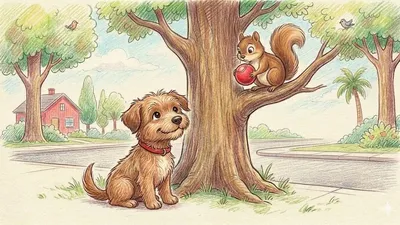
El Juguete Perdido
Boost Spanish A1 vocabulary with this adorable bilingual story about Pancho the scruffy dog navigating communication when a squirrel takes his red ball. Perfect for learning daily interactions!
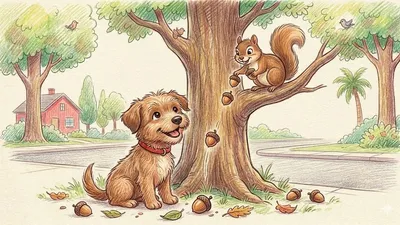
Pancho y la Ardilla Ruidosa
Enhance Spanish reading comprehension with this fun, beginner-friendly A1 story about a dog named Pancho and a mischievous squirrel. Ideal for learning action verbs and nature vocabulary interactively.
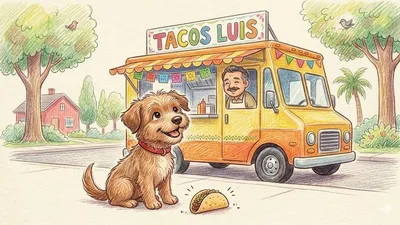
Pancho y el Camión de Tacos
Learn Spanish basics with this engaging A1-level bilingual story about a dog named Pancho who loves tacos. Perfect for English speakers improving vocabulary through fun, interactive reading exercises.