Small Steps, Big Changes: The Science of Good Habits
A B1-level ESL reading passage and worksheet based on 'Atomic Habits', designed to teach high school students how small daily routines build long-term success.
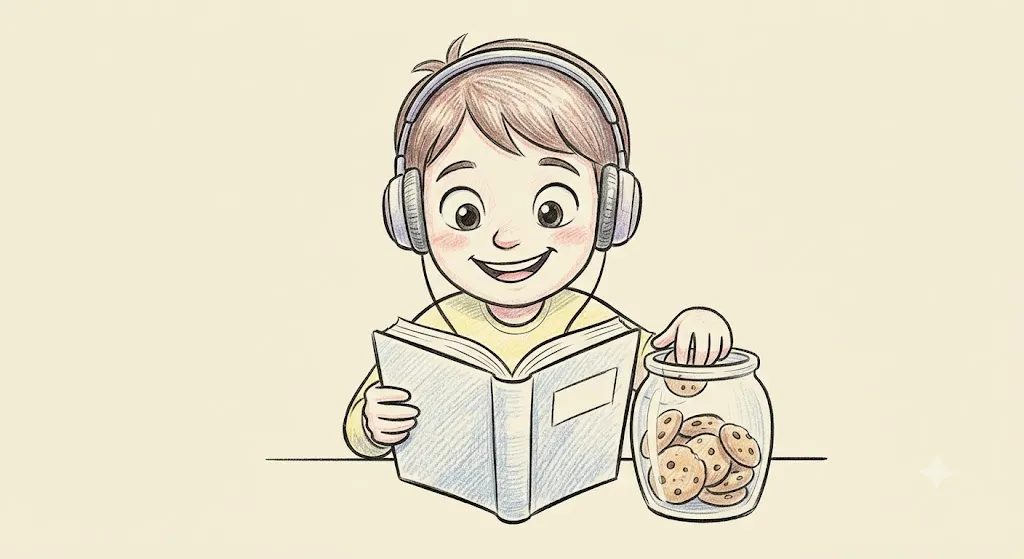
Small Steps, Big Changes: The Science of Good Habits
A B1-level ESL reading passage and worksheet based on 'Atomic Habits', designed to teach high school students how small daily routines build long-term success.
Title
Small Steps, Big Changes: The Science of Good HabitsSeo_intro
A B1-level ESL reading passage and worksheet based on 'Atomic Habits', designed to teach high school students how small daily routines build long-term success.
Reading Text
Many high school students want to improve their lives, but changing behavior is not always easy. We often think that big success requires massive action. However, building good habits is actually about making small improvements every single day. If you get one percent better each day, those small changes accumulate over time into remarkable results. To build a habit that lasts, you need to make the process clear and accessible. First, create a obvious cue in your environment. For example, if you want to read every night, place a book directly on your pillow. Second, make the new habit attractive so you look forward to doing it. You can pair a task you need to do with an activity you enjoy, such as listening to your favorite music while cleaning your room. Next, make the action simple to perform. When a habit requires too much effort, we often procrastinate. Start with a tiny step, like studying for just two minutes. Finally, make the reward satisfying. Celebrating small wins helps your brain recognize that the habit is beneficial. By focusing on systems rather than just goals, you can continuously improve your daily routines and achieve long-term success.
Activities
Vocabulary
- Label: accumulateAnswer: 1
- Label: accessibleAnswer: 2
- Label: attractiveAnswer: 3
- Label: procrastinateAnswer: 4
- Label: beneficialAnswer: 5
- Label: continuouslyAnswer: 6
- Text: To gradually gather or build up over time.
- Text: Easy to reach, enter, or use.
- Text: Pleasing, appealing, or inviting.
- Text: To delay or postpone doing something that needs to be done.
- Text: Having a good, helpful, or useful effect.
- Text: Without stopping or interruption.
- Before: If you save a small amount of money every week, your savings willAfter: over the year.Answer: accumulate
- Before: The teacher made the online homework easilyAfter: to all students.Answer: accessible
- Before: Making a study group can make learning moreAfter: and fun.Answer: attractive
- Before: Students whoAfter: often feel stressed right before an exam.Answer: procrastinate
- Before: Getting enough sleep every night is veryAfter: for your health.Answer: beneficial
Comprehension
- Text: Achieving big success always requires taking massive actions all at once.Answer: false
- Text: Placing a book on your pillow is an example of creating an obvious cue.Answer: true
- Text: Pairing a required task with an enjoyable activity makes the habit less attractive.Answer: false
- Text: Starting with a tiny two-minute step helps prevent procrastination.Answer: true
- Text: Celebrating small wins helps your brain understand that the habit is beneficial.Answer: true
- Answer: Small changes can accumulate over time into remarkable results.
- Answer: You should create an obvious cue in your daily environment.
- Answer: Make the new habit attractive so you look forward to doing it.
- Answer: Start with a tiny step when a habit requires too much effort.
- Answer: Celebrating small wins helps your brain recognize beneficial habits.
Written Expression
- Text:
Describe one small habit you would like to build this school year. What visual cue will you use to remind yourself?
- Text: How can you make a difficult daily routine more attractive or enjoyable for yourself?
Example Answer: I want to build a habit of drinking more water every morning. My visual cue will be leaving a filled water bottle on my desk before I go to sleep. To make studying for math more attractive, I can play my favorite soft background music while solving exercises.
Critical Thinking
Why do you think focusing on daily systems and routines can be more effective than only setting big goals?
Think of a bad habit you or other teenagers frequently struggle with. How could you alter the environment or cue to help break that habit?
References
Recommended for You
Are Organic Foods Really Healthier?
Explore the debate over organic food, comparing nutritional benefits, farming standards, and costs for intermediate Engl...
How Pigs and Ducks Stay Healthy on the Farm
Explore how pigs and ducks use unique body adaptations like mud, feathers, and webbed feet to survive and thrive in thei...
A Helping Hand at the Pond
Read a story about Pig and Duck working together to rescue a stuck toy truck by the pond. Includes vocabulary, reading c...